🥃 ℕ𝔼𝕎 𝔼ℙ𝕀𝕊𝕆𝔻𝔼 🥃

We're back with a new episode if your favorite show "𝙃𝙤𝙬 𝙩𝙝𝙚 𝙁#*% 𝘿𝙤 𝙔𝙤𝙪 𝙒𝙤𝙧𝙠 𝙒𝙞𝙩𝙝 𝙔𝙤𝙪𝙧 𝙎𝙥𝙤𝙪𝙨𝙚 🎉

In the new episode we answer questions about

📢 Advice for new Husband & Wife Teams

🤺 Do we fight in the office

👨‍👩‍👧‍👦 What annoys us about our kids

As normal this is fully uncensored and sometimes gets a little whacky!

Enjoy 😉

Dec. 15, 2016

Spokane Real Estate Market Activity 2016

Market Activity Through November 2016

In comparing November 2016 to November 2015 the impact of the 2015 wind storm is apparent. Closed sales of single-family homes on less than one acre including condominiums totaled 608 this November compared to 437 closed sales in November 2015 an increase of 39.1%. The average sales price in November was $206,837 up 2.5% from last November’s average sale price of $201,585. The median sales price for November 2016 was $192,750 an increase of 9.2% over last November’s median sales price of $176,500. Year to date closed sales through November total 6,899 up 9.6% from last year’s year to date total of 6,293. The average year to date sales price is $212,467 up 7.5% from last year’s average sales price through November of $197,598. The median sales price is $195,000 compared to $179,900 an increase of 8.4%. Inventory continues to tighten. As of this report, the inventory of single-family homes on less than one acre including condominiums totals 1,390 down some 25.5% from last year’s total of 1,866 properties. New construction sales continue ahead of last year by 22.3%, 767 this year compared to 627 last year.

Spokane Association of REALTORS®
2016 MONTHLY HOME SALES REPORT
NOVEMBER

SALES UP 39.1%
Closed sales of single-family homes on less than one acre
including condos for November 2016 total 608 compared to
November 2015 when the total was 437.

AVERAGE PRICE UP 2.5%
The average closed price for November 2016 was $206,837
compared to November 2015 when the average price was
$201,858.*

MEDIAN PRICE UP 9.2%
The median closed price for November 2016 was $192,750
compared to November 2015 when the median price was
$176,500.*
*NOTE: Does not represent home values.

INVENTORY DOWN
Inventory is down 25.5% compared to November 2015. Current
inventory, as of this report totals 1,309 properties which
represents a 2.3 month supply.
NOTE: Months supply based on closed sales for November.

DISTRESSED SALES DOWN
Sales of Distressed homes accounted for 6.7% of sales in
November 2016 compared to 9.8% in November 2015.

Spokane Association of REALTORS®
2016 YEAR TO DATE HOME SALES REPORT
THROUGH NOVEMBER

SALES UP 9.6%
Closed sales of single-family homes on less than one acre
including condos through November 2016 total 6,899 compared
to 6,293 through November 2015.

AVERAGE PRICE UP 7.5%
The average closed price through November 2016 is $212,467
compared to $197,598 through November 2015.

MEDIAN PRICE UP 8.4%
The median closed price through November 2016 is $195,000
compared to $179,900 through November 2015.

INVENTORY DOWN
Inventory is down 25.5% compared to November 2015.
Current inventory as of this report is 1,390 properties which is
a 2.3 month supply.

DISTRESSED SALES DOWN
Sales of Distressed homes accounted for 8% of sales through
November 2016 compared to 12.7% through November 2015.


Posted in Real Estate
Oct. 10, 2016

Spokane Valley Real Estate For Sale

Welcome Home to this beautiful well maintained 4 bedrooms, 2 baths 1940's Rancher, with NEW laminate wood floors and glass sliding door to backyard. The furnace and A/C unit are 3 years old. It's within walking distance to Spokane River, Centennial Trail, SCC, Chief Garry Park, and Bus route. It has a great backyard for entertaining family and friends with covered patio. Concrete driveway to the 30x30 stick built shop with 2 garage doors. Functioning Hot Tub to relax in.

Posted in Real Estate
Oct. 7, 2016

Spokane Real Estate For Sell

Welcome Home to this beautiful well-maintained 4-bedroom, 2 baths 1940's Rancher, with NEW laminate wood floors and glass sliding door to backyard. The furnace and A/C unit are 3 years old. It's within walking distance to Spokane River, Centennial Trail, SCC, Chief Garry Park, and Bus route. It has a great backyard for entertaining family and friends with covered patio. Concrete driveway to the 30x30 stick built shop with 2 garage doors. Functioning Hot Tub to relax in.

Posted in Real Estate
Sept. 9, 2016

Home Equity: How to Use It

Home Equity: How to Use It

What’s the difference between a second mortgage and a home-equity loan? What is a home-equity loan, and is it different from a home equity line of credit? And is a mortgage refinance similar to the above, or a different animal altogether? Let's take a look at all the various ways you can use your home equity – without fear of losing your home or getting taken for a ride.

First of all, a second mortgage and home equity loan are basically the same thing. These terms refer to money that is borrowed against the value of your house. Unfortunately, many people don’t realize that these loans are liens against your property – in other words, if you default on the loan, the lender then owns your home. You forfeit your house to pay what you owe, so it’s not like a credit card payment that you can skip when things get tight and just make up with extra interest later.

Now let’s look at the different ways you can use your equity.

Refinance: In essence, this is a way of paying off your current mortgage and getting cash out based on how much equity (the difference between the market value of your home and what you owe on it) you have in your home. If you haven’t done this yet, this is a great way to lower or lock in your mortgage interest rate. This is the way to get large sums of money – $30,000 or more – because you have 15 to 30 years to pay it off. Use caution, however: many lenders are offering to lend up to 125 percent of your home’s value, so if you default, you may still owe money even after your house has been repossessed! And the mortgage interest is tax deductible only on 100 percent of your home’s value, so you can’t claim any interest you pay on the overage.

On refinances, you may have to pay closing costs; discount points (used to increase the lender's yield or profit on the loan and equal to one percent of the loan amount); appraisal fees; application or loan processing fees; document prep and recording fees; origination or underwriting fees; lender or funding fees; loan broker fees; and miscellaneous other fees (i.e. overnight mail charges, etc.). You can negotiate on all these fees, and lenders sometimes offer “no-cost" loans, in which fees are rolled into the mortgage balance or absorbed by bumping up the rate. If you borrow 80 percent or more of your home’s value, your lender will require you to purchase private mortgage insurance (PMI).

A home equity loan, a.k.a. a second mortgage is good for homeowners who don’t need quite as much cash and whose interest rate is already competitive. The interest rate is usually fixed and based on the prime rate, so it’s higher than regular mortgage rates. But the term is much less than a conventional 30-year mortgage – five to 15 years. And closing costs are much less than a refi. These installment loans are paid out in one lump sum, so they’re good for repaying credit card debt or any other high-interest, high-dollar fixed sum of money owed. They’re also one of your best bets for small to large remodeling projects, even buying a new vehicle.

Again, however, proceed with caution. You must be sure you will be able to pay this loan back because you are putting your most valuable investment at risk – your home. It is easier to foreclose on a second mortgage (even though the amount is less than the home is actually worth!) than on a federally insured first mortgage. And you must commit yourself to shopping around and educating yourself. Find out about closing costs and points in advance, as well as balloon payments, hidden fees, or credit or property insurance tacked on.

Lastly, there’s the home equity line of credit. This works like a credit card – you agree to a pre-set limit and then borrow as you need to, or in the event of an emergency. A HELOC lets you tap into your home's equity as needed, usually for up to 10 years. These lines of credit are good for expenses like debt consolidation, major home improvements, college tuition and expenses, and unexpected expenses. The beauty of this is that you don’t make payments unless you use the money, but you have the security of knowing money’s there if you need it.

Some lenders may offer a lower interest rate if you pay points up front. Rates are usually variable, based on the prime rate plus some margin, and many offer low teaser rates for the first six months. There also may be an annual fee of $30 to $75 after the first year.

And now for the caveats: some credit lines have variable interest rates, with no cap on how high they go. Make sure you read the fine print and find out exactly how much it could increase, then do the math. Could you afford it? Would you even want to? And if you’re an impulse buyer, this may not be a wise choice. A home equity line of credit shouldn’t be used for frivolous luxury items unless it’s a one-time purchase and not a pattern of behavior.

Posted in Real Estate
Aug. 2, 2016

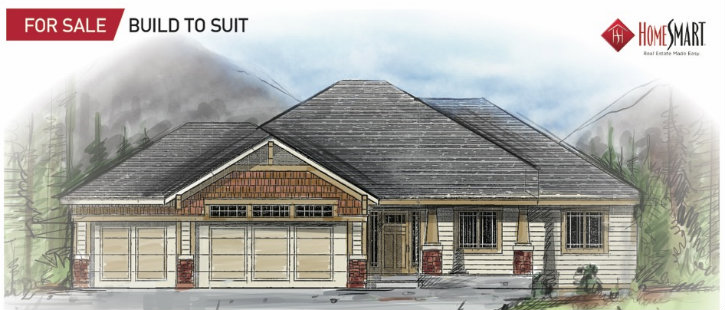
South Hill Real Estate For Sale, Build to Suit

Spokane South Hill Real Estate for Sale

As many of you know Spokane’s Real Estate market is low in inventory. So what better time than now to build your dream home with every amenity you want on Spokane’s South Hill. We have 3 lots that are available and many floor plans to choose from. For more information call me at 509 994-6777 or email me at adamsalassells@gmail.com. To see pictures and two-floor plans go to one of the links below

1st) 3603 E Sumac Dr, Spokane WA, 99223 http://www.adamsalas.com/listing/mlsid/237/propertyid/201621485/

2nd) 3602 E Crandall Ct, Spokane WA, 99223
http://www.adamsalas.com/listing/mlsid/237/propertyid/201621478/

3rd) 3601 E Crandall Ct, Spokane WA, 99223 http://www.adamsalas.com/listing/mlsid/237/propertyid/201621472/


Posted in Real Estate
June 30, 2016

How to Increase Your Home's Value

Spokane Real Estate, How to Increase Your Home's Value

There is really only one reason to try to increase the value of your home: if you’re trying to sell it. If you’re not, deliberately increasing your home’s value most likely will increase your tax bill as well. There are ways to increase your home’s value for resale that ranges from the very expensive (major remodels and additions) to free (tidying up the front yard). We’ll look at the whole range, noting how much value is added when possible.

Before you begin any of these projects, it is important that you do them with the following in mind: you do not want to raise the value of your property too far above others in the neighborhood. Why? Because people who want expensive homes will shop exclusively in higher-value neighborhoods. If you own the “best house” in the neighborhood, it is unlikely you will recoup whatever investment you’ve made. A good rule of thumb: keep the value of your property within 15 to 20 percent of your neighbors’.

The following figures appeared in the November 2001 issue of Realtor Magazine. They list the top ten remodeling projects undertaken to increase a home’s value in the United States and what percentage of your remodeling investment is recouped at resale.

Project (average cost recouped, national):

Minor kitchen remodel (88%)

Bathroom remodel (85%)

Major kitchen remodel (81%)

Family room addition (80%)

Deck addition (77%)

Master suite (75%)

Attic bedroom (74%)

Siding replacement (73%)

Window replacement (69%)

Home office (55%)

These are national averages, so in your area, the figures may be lower or higher. To explain, if you spend $10,000 on a minor kitchen remodel, you will be adding $8,800 to the value of your house. Remember that it’s a tricky business, trying to add value to your home. What seems to be value to you may not appear that way to any given prospective buyer.

Projects that may increase your home’s value include, Jacuzzi (4 jets or more); permanent hot tub; in-ground pool with nice deck area; security system; sprinkler system; substantial outbuildings such as a two-car garage or finished workshop; and vaulted or trey ceilings. Think twice about the following projects, however, as they may not add value to your house: above-ground pool; ceiling fans; garden pond; and light fixtures.

Some tips when attempting value-increasing remodeling:

l Remodel with mass appeal in mind. Potential buyers are usually attracted more to neutral, mainstream design.

l Don’t go cheap when it comes to construction. Use durable, quality materials. If you’re a do-it-yourselfer, honestly evaluate your ability to do it right.

l Don’t remodel in a different style from the rest of the house. Additions and improvements that look “tacked on” may detract from a home’s appeal.

l Turning a bedroom into a bathroom is a mistake – it reduces the number of bedrooms, a chief selling point.

l Don’t do a $30,000 kitchen remodel in a $100,000 house – unless you plan to continue living there. It is a waste of money.

l If you don’t sell, there are improvements that actually reduce your tax bill. Qualifying improvements are those that increase your home's value or prolong your home's life, including a fence, driveway, a new room, addition, swimming pool, garage, porch or deck, built-in appliances, insulation, new heating/cooling systems, a new roof, landscaping, etc.

If you don’t have the kind of money it takes for even minor remodeling, there are low-cost ways to increase your home’s value. At the very least, the following things will make your home more attractive and inviting to prospective buyers.

Make sure the outside of your home is spic-and-span. Clean out the gutters. Wash the windows and remove cobwebs and bugs. Trim the hedges, cut and edge the lawn, sweep the sidewalks and driveway. Plant some colorful flowers out front. The reason for these small things is simple: If two similar homes in the same are area are both for sale, the one with the cleanest and most appealing front yard will sell first.

You may want to add to or improve your landscaping while you’re at it. According to a study conducted by Money Magazine, landscaping may be the best investment to improve a home's value. The study found that well-planned, attractive landscaping was estimated to have an actual recovery rate 100 to 200 percent higher than a kitchen or bathroom renovation.

Posted in Real Estate
June 15, 2016

5 DIY Improvements to Make Your Home Classier

Updating your home to be more chic - without looking cheap - is completely doable on a budget. 

If you're looking to add more class to your home, taking on a DIY project can give your house that extra sense of style while saving you money. No need to cringe at those three little words: "do it yourself." There really are fast, easy and affordable projects you can do on your own. Here are five relatively easy ways to enhance your home. 

1. Replace Your Light Fixtures 

Switching out an old or basic light fixture for a more elegant one is an easy way to shift the ambiance of a room. By adding a sophisticated light fixture, you can control the intensity of the light and character of your room. And you don't need to pay a pretty penny for expensive new fixtures - you can buy used fixtures online. 

2. Add Floating Shelves 

Installing floating shelves in your home combines the functionality of extra storage space with a bit of style and personal flair. Floating shelves can be mounted on walls in many different patterns, and they come in various materials to give your rooms a unique touch. For a small room choose shallow shelves to display framed photos; for a larger room you can afford to use deeper shelves to hold vases, books and unique trinkets. 

3. Paint an Accent Wall 

Painting an accent wall can add a pop of color and showcase your personality. Usually a low-risk project, a homeowner of any skill level can tackle this project in a day. You just need some painter's tape, a brush and the color that suits you! Just make sure the color you choose is complementary with the other colors in the room. Stay consistent between warm and cool tones. 

4. Install Decorative Molding 

Adding decorative molding around your home can add an extra touch of elegance. Install molding to the ceiling by capping walls, columns and cabinets, or add chair molding lower to the ground. With detailed molding you can add character to your rooms while also making them feel taller and more finished. 

5. Build a Stone Fire Pit 

Take your sophisticated style outside by building a stone fire pit in your backyard. Completed in only a few hours, take uniquely shaped rocks or large stones and put them together to create a functional and stylish fire pit. Before starting the project, be sure to check your local fire codes or homeowners association to ensure you are safe and allowed to start building. 

Adding a touch of class to your home doesn't have to break the bank! Just be sure to start with one project at a time, allowing yourself to complete one before starting the next. Otherwise, you'll fall victim to chronic project incompleteness syndrome - not a good look! 

Now that you know about these five inexpensive DIY projects, which will you try?

Posted in Home Improvement